If you’re prediabetic, you’ve probably been told to cut back on carbohydrates. This is difficult because carbohydrates, or carbs, are in many of the foods that we love, like cookies, grapes, pasta, and potatoes. Plus, our bodies need proteins, fats, and carbs to operate properly.
Carbs come in three basic forms: fiber, starches, and sugars.
Sugars, such as those processed or refined, can be found in candy, desserts, and the sugar we put in our morning coffee. Sugars also occur naturally in grapes, beets, and other foods.
They’re known as simple carbs because they’re made of short strands of sugar molecules. Our body easily digests them and quickly dumps the sugars into our blood. This can potentially cause havoc with our body’s ability to manage all of that sugar, or blood glucose, effectively.
Starches are complex carbs. They’re made of longer strands of molecules and take longer to digest, giving our bodies a chance to organize the disposition of the glucose.
Rice, potatoes, and pasta reek of the stuff. When we eat them, the starch turns into glucose in our bodies and may cause our blood sugar to spike.
Resistant starches are complex carbs but they don’t mess with our blood glucose. They skip the small intestine and head for the large intestine where they ferment and feed the gut’s good bacteria.
Fiber is a complex carb that the body typically doesn’t digest. The benefits of consuming fiber include lowering blood sugar levels and feeling full longer.
What’s the bottom line with carbs in our diet?
Dump the refined and processed sugar. Buh-bye sweeties. Limit foods naturally high in sugars. They may provide benefits that balance out the simple carbs, but you should consider your total carb intake each day.
Keep the fiber-rich foods, if they don’t also carry simple carbs.
Starchy foods can be contradictory because resistant starch can have a lower impact on your glucose levels, or may not negatively impact your glucose at all.
Some foods are naturally high in resistant starch. Other foods, such as rice, potatoes, and pasta, can be made to develop resistant starch.
The trick is to cook them, then refrigerate them for two or three days before eating. Resistant starch increases the longer the food is chilled, although four days may be the max you’d want to refrigerate the food before consumption.
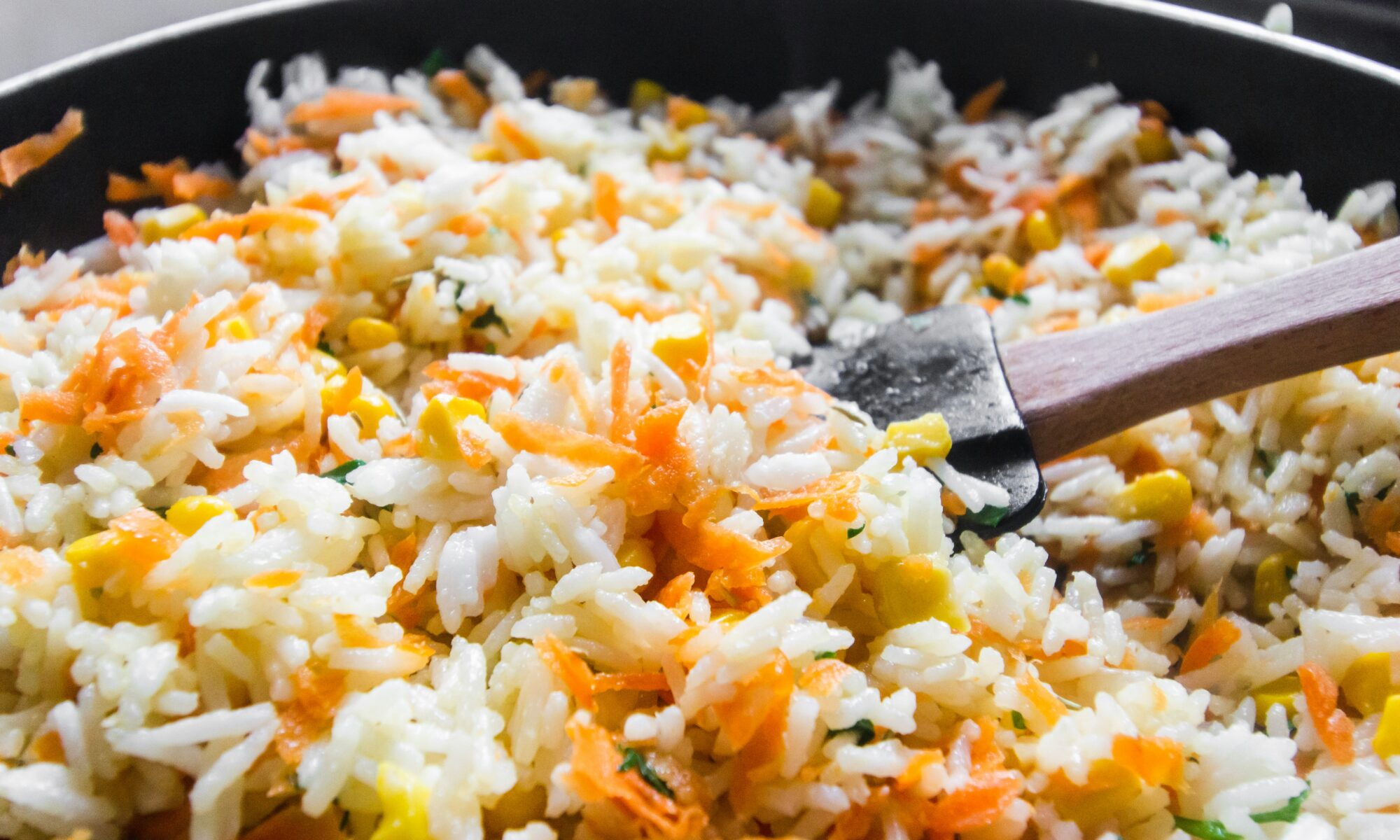
Run a test on yourself. Eat two identical bowls of rice—plain or with condiments, veggies, or other additions. The only difference between the two dishes is that for one, you cook and immediately eat the food. For the other, you use rice that has been chilled for three days (you can reheat it). Make sure to drink the same beverage for both meals and, ideally, eat and drink the same things for any earlier meals. Don’t have a breakfast of donuts before the freshly cooked rice meal and berries before the chilled rice.
Check your blood glucose two hours after each rice meal. Don’t eat or drink anything until you’ve tested your glucose level.
Is your glucose lower on the day you ate the chilled rice? If so, you might be able to eat some starchy foods without blowing up your glucose.
https://hopkinsdiabetesinfo.org/what-is-resistant-starch
https://www.niddk.nih.gov/health-information/digestive-diseases/digestive-system-how-it-works